

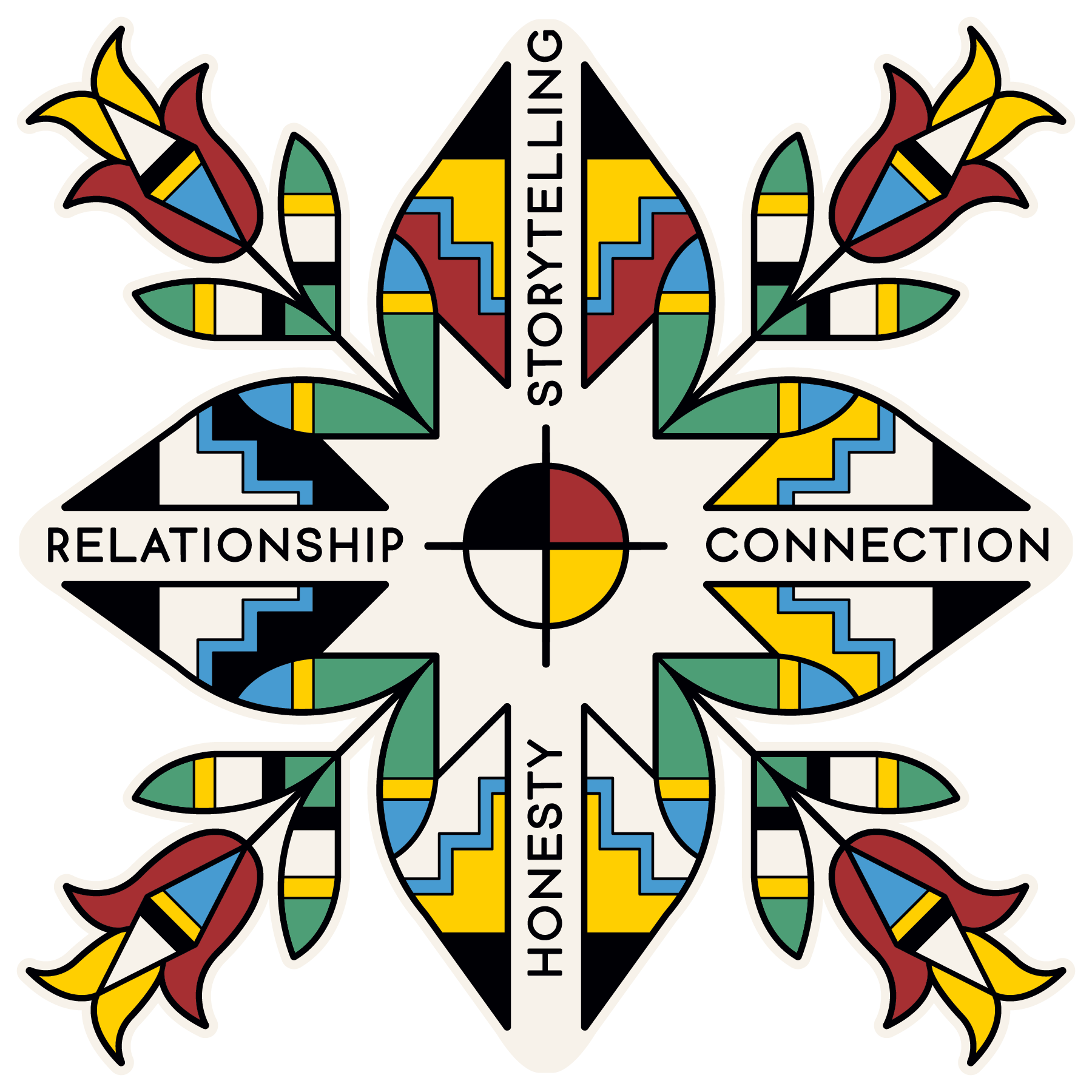
Logo design by Dakota artist Marlena Myles.
Saturday Nov 7, 2026
09:00 am ~ 02:00 pm
Cec Eckhoff Alumni Hall
Audience
Alumni Donor Faculty Prospective Student Public Staff StudentOverview
Gustavus Adolphus College was founded in 1862 during the same months as the Dakota-U.S. War, which resulted in the removal of Dakota people from their homeland. A student-faculty research team have been reexamining the college's settler history and its relationship with Dakota people.
Gustavus and St. Peter on Dakota Lands
Gustavus welcomes you to the culminating public event of a two-year grant project that has brought together faculty, students, staff, administrators, and Dakota and other community partners for a series of critical conversations about Gustavus Adolphus College's presence on Dakota lands.
All the partners involved in this special grant project will share what we've learned with the greater St. Peter-Gustavus community. Students and faculty will share results from archival research into Gustavus' settler history. The Dakota elders, who have guided Gustavus' efforts to examine its historical and current-day relationship with Dakota neighbors, will reflect on the process of walking this path with Gustavus and where our next steps could take us.
Gustavus representatives from the Storytelling and Sensemaking Circle (SaSC), which represents the college's various divisions, will share their own reflections as well as what has emerged from their divisional retreats devoted to this topic. This two-year NetVUE grant project, titled "Storytelling and Sensemaking at a Settler Institution: Walking a Shared Path with Dakota Neighbors," has been greatly enriched by the participation of the Native American Parent Advisory Committee from the local K-12 school district, the Nicollet and Blue Earth County historical societies, the St. Peter Good Neighbor Diversity Council, and the Mahkato Wacipi.
In conjunction with the symposium, the SaSC will unveil a newly published Storytelling and Sensemaking Guidebook that is designed to continue this process of awareness, education, critical engagement, and healing beyond the grant cycle. It will consist of written stories and reflections, historical accounts, maps, and resources that can be used in faculty, staff, and student orientations, in FTS courses, or as a professional development tool, among other things.
More detailed program will be forthcoming. This grant is funded through the generous support of the Council for Independent Colleges and the Lilly Endowment.
- Academics
- Student Experience
Share


Related Events
0/0